The Presenters:
John Toussaint
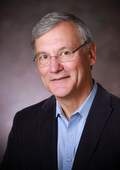 John is an Internist, former healthcare CEO and is one of the foremost figures in the adoption of organizational excellence principles in healthcare. He founded Catalysis a nonprofit education institute in 2008. Catalysis has launched peer-to-peer learning networks, developed in-depth workshops, and created many products – including books, DVDs and webinars. Dr. Toussaint has written three books all of which have received the prestigious Shingo Research and Publication Award: 1) On the Mend 2) Potent Medicine 3) Management on the Mend.
Skip Steward
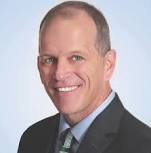 Mr. Steward currently serves as Vice President and Chief Improvement Officer at Baptist Memorial Health Care headquartered in Memphis, TN where he develops, directs, and implements performance improvement activities identifying inefficiencies; implementing strategies to improve quality, service, and finances; and fostering a culture of continuous improvement and excellence.
Greg Jacobson
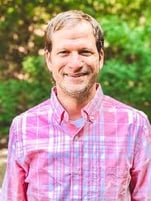
Greg graduated from Washington University in St Louis in 1997 with a BS in Biology. He attended Baylor College of Medicine from 1997 to 2001. From 2001 to 2004, he completed a residency in Emergency Medicine at Vanderbilt University Medical Center where he then stayed on as faculty. Greg is the Chief Executive Officer and a co-founder of KaiNexus. He is an ER doctor that is fanatical about the single biggest barrier holding companies back from greatness - their lack of continuous improvement work. It has taken him down the path of developing KaiNexus





.svg)